
- Duration
- 7D / 6N
- Max altitude
- 11,700 ft
- Difficulty
- Easy–Moderate
- Best months
- Mar, Apr, May, Jun, Sep, Oct, Nov
- Starts from
- Dehradun
- Stay
- Guesthouse, Tents
- Group size
- 1-20
Overview
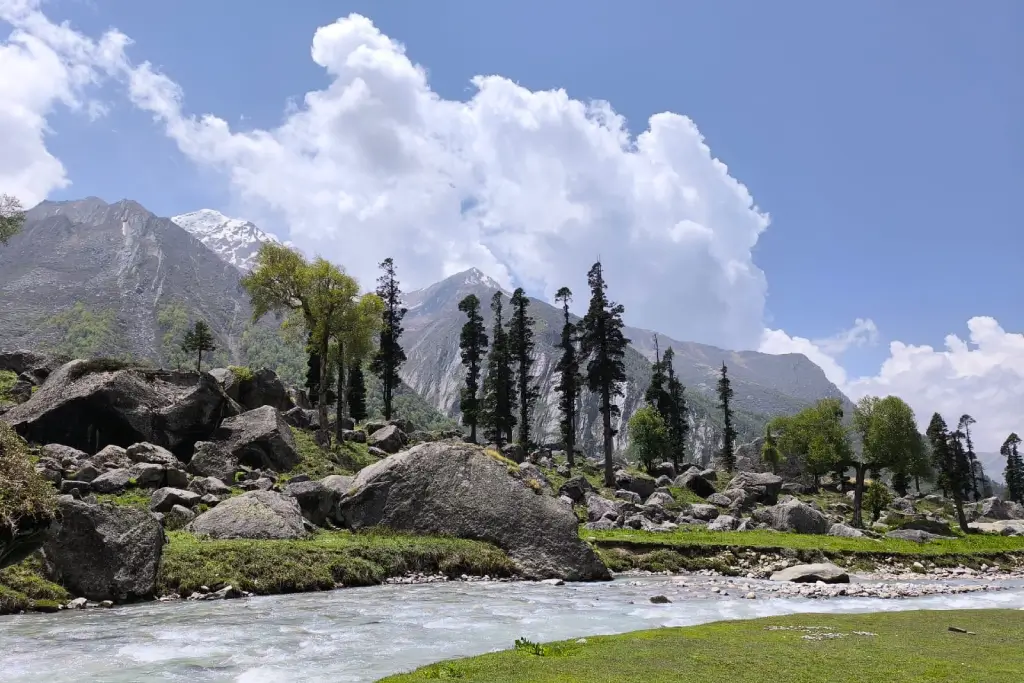
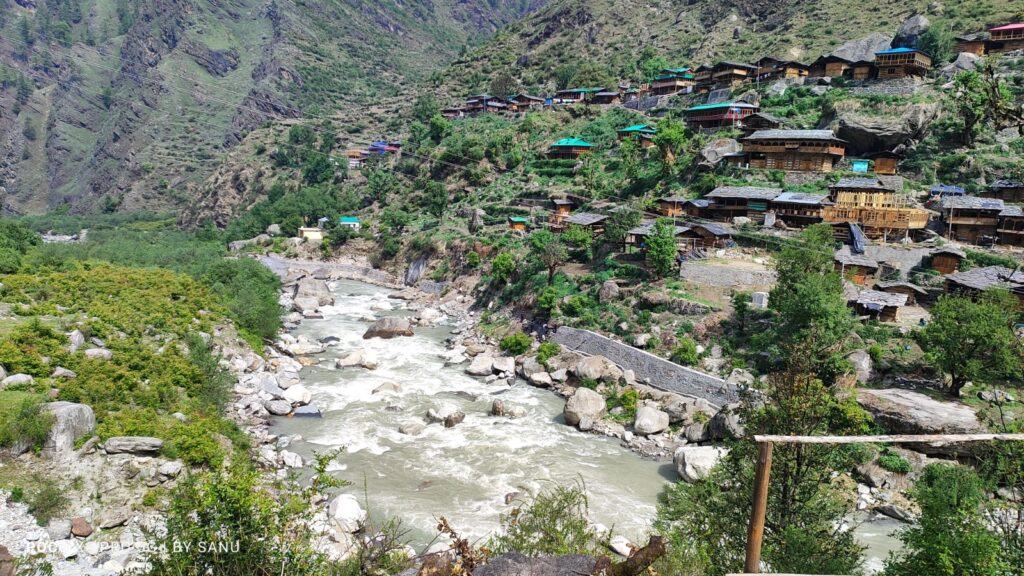
Tucked deep in the Garhwal Himalayas, the Har Ki Dun Trek is where stories, nature, and mountains come together. Known as the “Valley of Gods,” this trail takes you through ancient Himalayan villages, dense pine forests, and wide-open meadows that feel untouched by time.
What makes this trek special is not just the destination—but the journey itself. From walking alongside glacier-fed rivers to witnessing the raw lifestyle of remote villages like Osla, every step feels like a slow escape from the modern world. With a moderate difficulty level and gradual ascent, it’s perfect for beginners ready to experience a real Himalayan trek.
Highlights
- Walk through ancient Himalayan villages like Osla
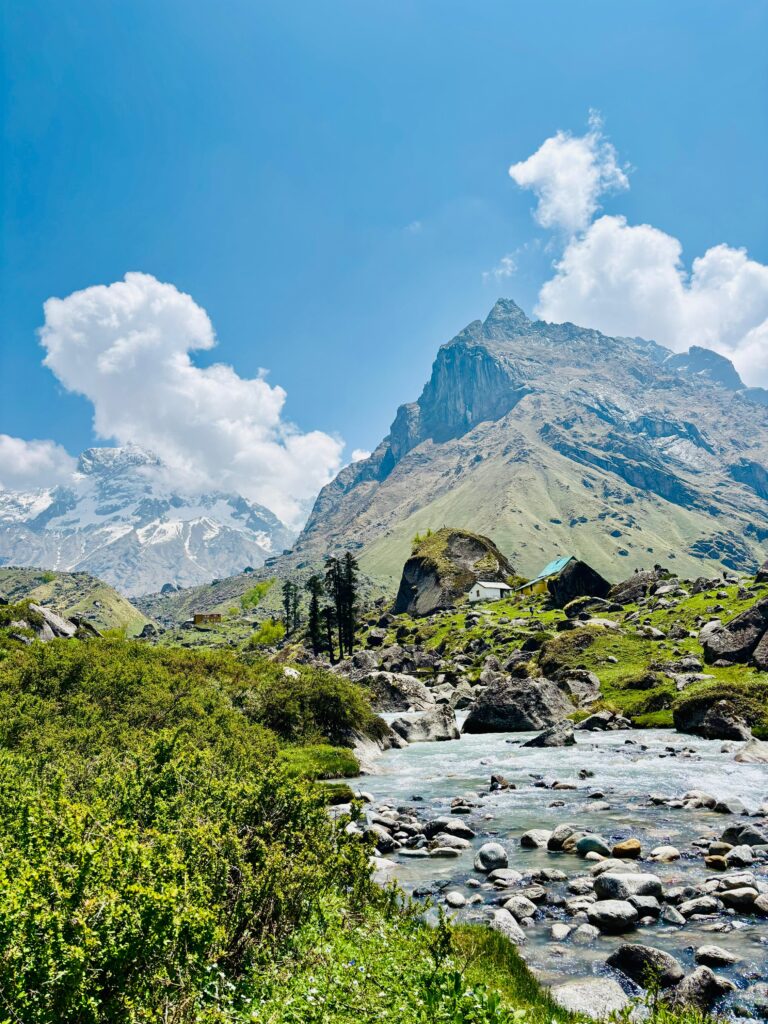
- Stunning views of Swargarohini peaks
- Dense forests, rivers, and alpine meadows
- Beginner-friendly long trek (easy to moderate)
- Rich cultural and mythological significance
Day by day
Route drawn from 4 camp locations in OpenStreetMap over SRTM elevation data. Indicative only — not for navigation.
D1 Dehradun to Sankri (Drive)
D2 Sankri to Seema
D3 Seema to Baslo Thach
D4 Baslo Thach to Har Ki Dun and Morinda Tal, back to camp
D5 Baslo Thach to Seema via Osla village
D6 Seema to Sankri
D7 Sankri to Dehradun (Drive)
What’s included
- Accommodation (tents/homestay during trek)
- All meals during trek (veg)
- Experienced trek leader and guides
- Permits and forest entry fees
- Basic medical kit
- Transportation (Dehradun to Dehradun)
- Personal expenses (snacks, shopping, etc.)
- Insurance
- Porter/mule charges (if required)
- Any emergency evacuation cost
Good to know
The Har Ki Dun Trek stretches roughly between 30–45 km depending on route, completed over 6–7 days. The maximum altitude reaches around 11,600–11,700 ft, making it a comfortable high-altitude experience for beginners.
The trail passes through the Govind Wildlife Sanctuary, offering chances to spot unique flora and fauna. What truly sets this trek apart is its cultural depth—you’ll witness centuries-old wooden houses, interact with locals, and experience a lifestyle that hasn’t changed much over time.
The best time to do this trek is April to June (green valleys) and September to November (clear mountain views).
Questions
Is Har Ki Dun Trek suitable for beginners?
What is the total distance of the trek?
What is the best time to visit Har Ki Dun?
What is the maximum altitude?
Do I need prior trekking experience?
From our batches
On this trek
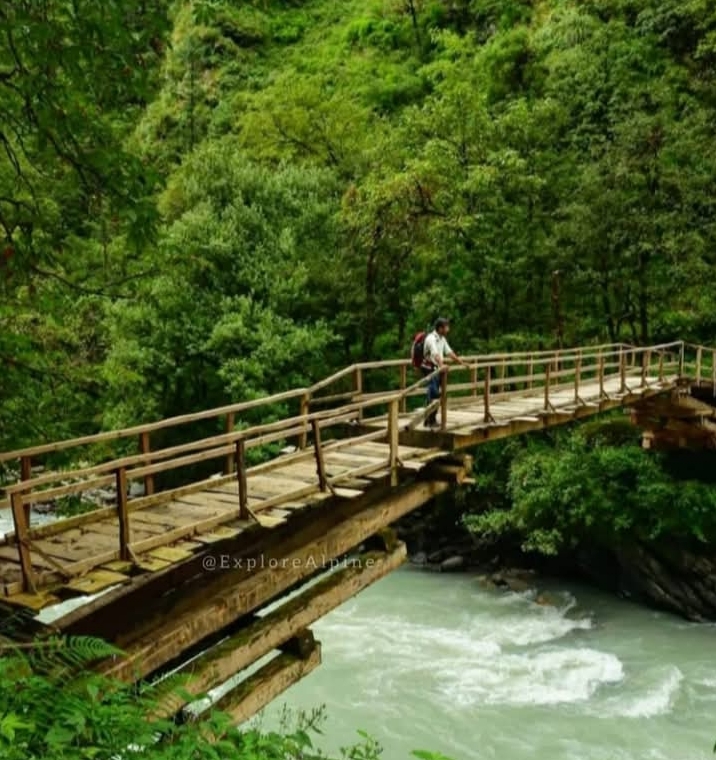
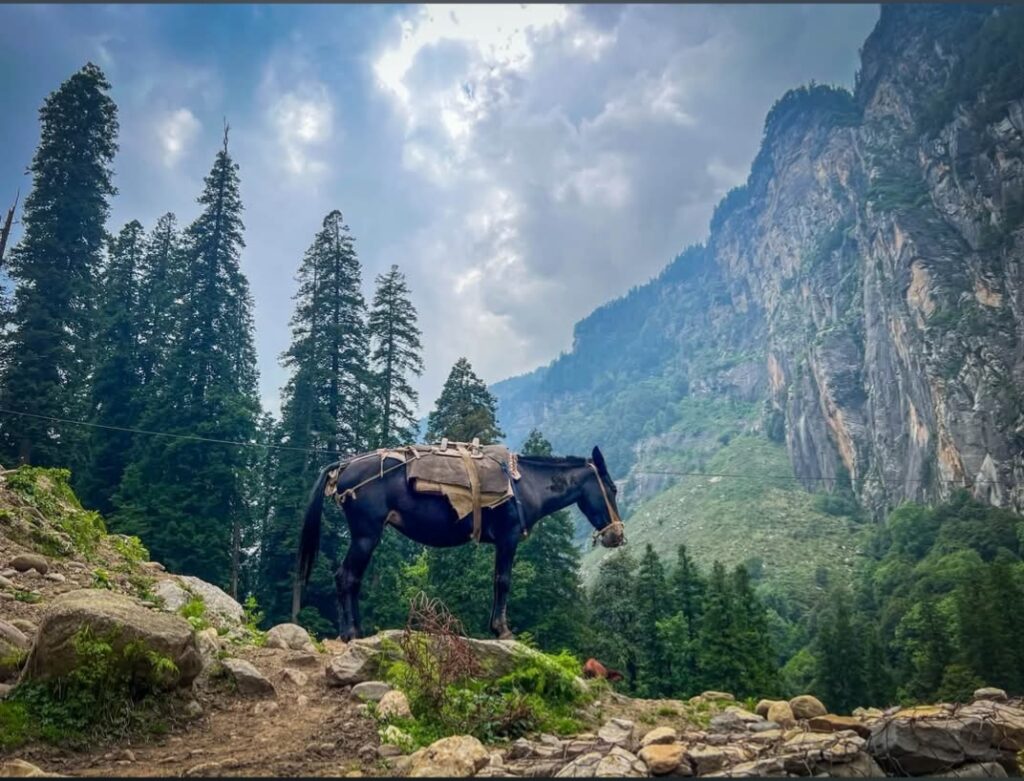
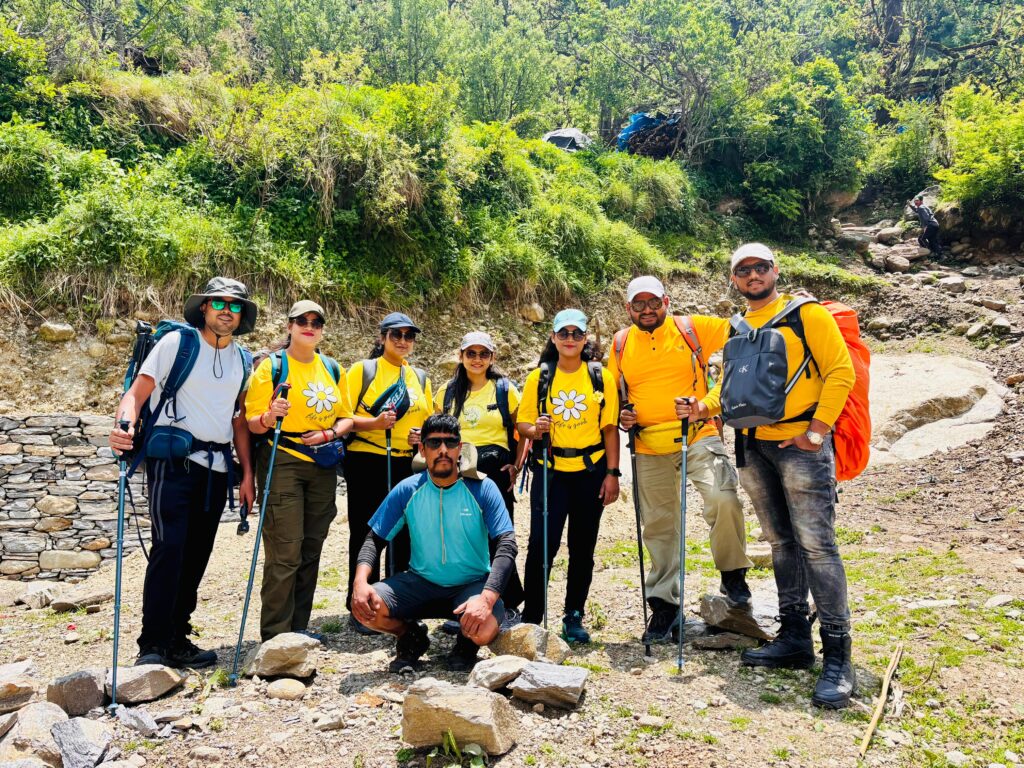
Photographs from TrekVibe groups on this route — not stock, not another mountain.
Trekker reviews
What the batch said
No reviews yet — write the first one.
Been on this trek? Tell the next batch.
Anyone can write one, with photographs. We read every review before it goes up, so give it a day.